
Planning an ADU in Massachusetts: the questions to answer first
A property-first ADU planning guide covering intended use, building approach, utilities, local review, and construction scope.
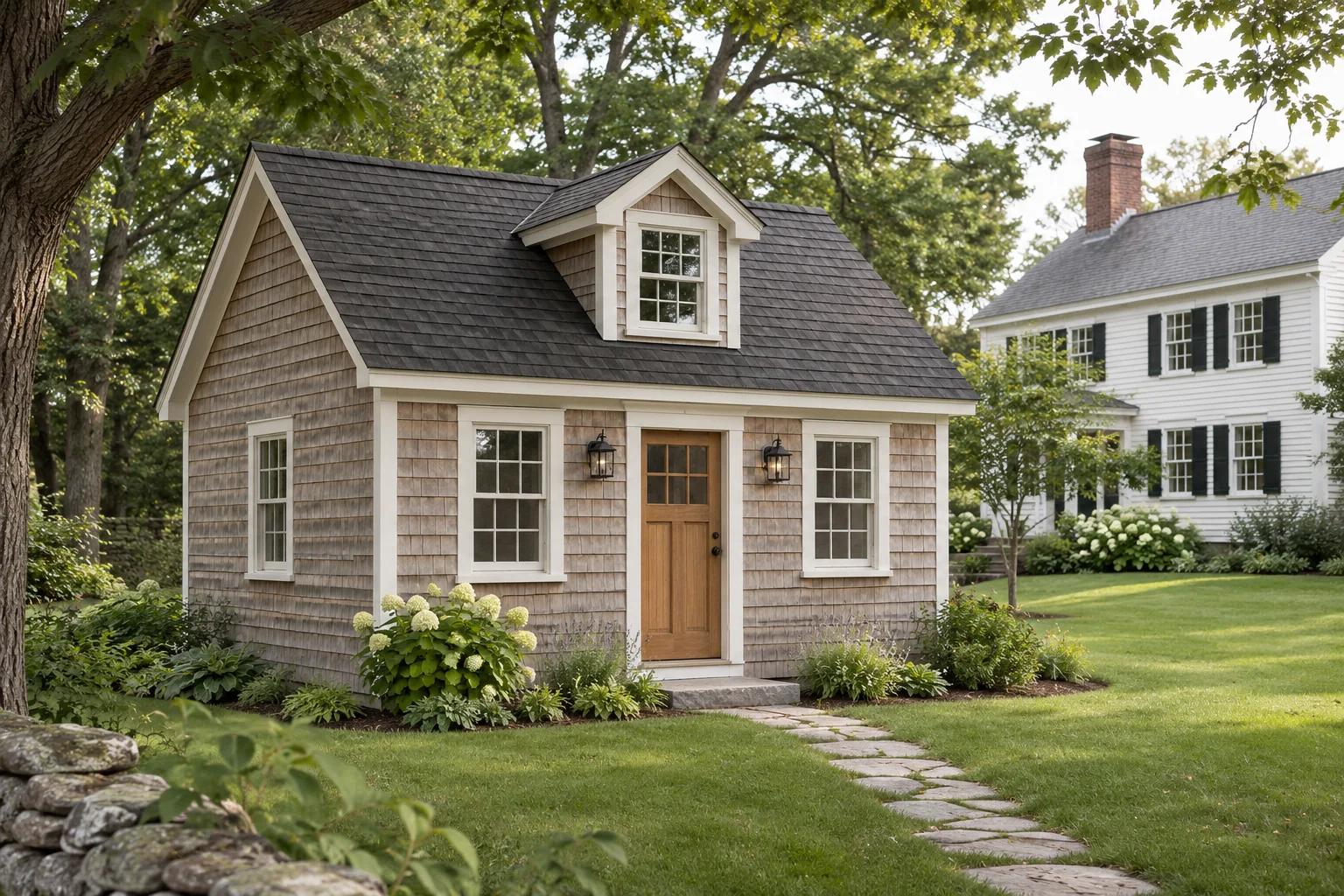
The starting point
An accessory dwelling unit begins with a reason: space for a family member, a separate household, or a different way to use your property. Turn that reason into a practical brief before choosing a floor plan. This guide helps organize the questions; it does not determine eligibility or permit approval.
Keep these in mind
- Define who the unit is for and what it must contain.
- Check current requirements for your address.
- Include site and utility connections in the scope discussion.
Choose a direction for the property
Start by comparing a detached building, an attached addition, and conversion of existing space. Each has a different relationship to the main house, outdoor space, access, and privacy. The option with the smallest new footprint may still involve substantial work to an existing structure.
Write down essential rooms, accessibility goals, and who is expected to use the unit. Avoid designing only for an imagined future use while overlooking the household’s immediate needs.
Verify requirements for the actual address
Massachusetts has state-level ADU information, but a general overview does not answer every site or approval question. Confirm current requirements with the appropriate local offices and qualified design professionals. Rules and interpretations can change.
Utilities, septic or sewer arrangements, access, and existing site conditions also need review. Do not assume that a unit shown in a marketing photograph could be built on your property without changes.
Build a scope that includes the connections
A small dwelling still needs coordinated structure, weather protection, utilities, and a safe way in and out. Ask what is included in the construction quote and what design, site work, or utility work is supplied by others.
Share your address, preferred building approach, drawings if available, and the decisions still open. A Frame can discuss ADU construction and framing scope without promising a particular approval, rental outcome, price, or completion date.
A common question
Does a state ADU policy eliminate the need for property review?
No. Confirm the proposed unit, site conditions, approvals, and utility requirements for the actual address before committing to a design.