
Rebuilding after water or storm damage: when construction can begin
Separate emergency response, damage assessment, mitigation, and reconstruction when planning building repairs after water or storm damage.
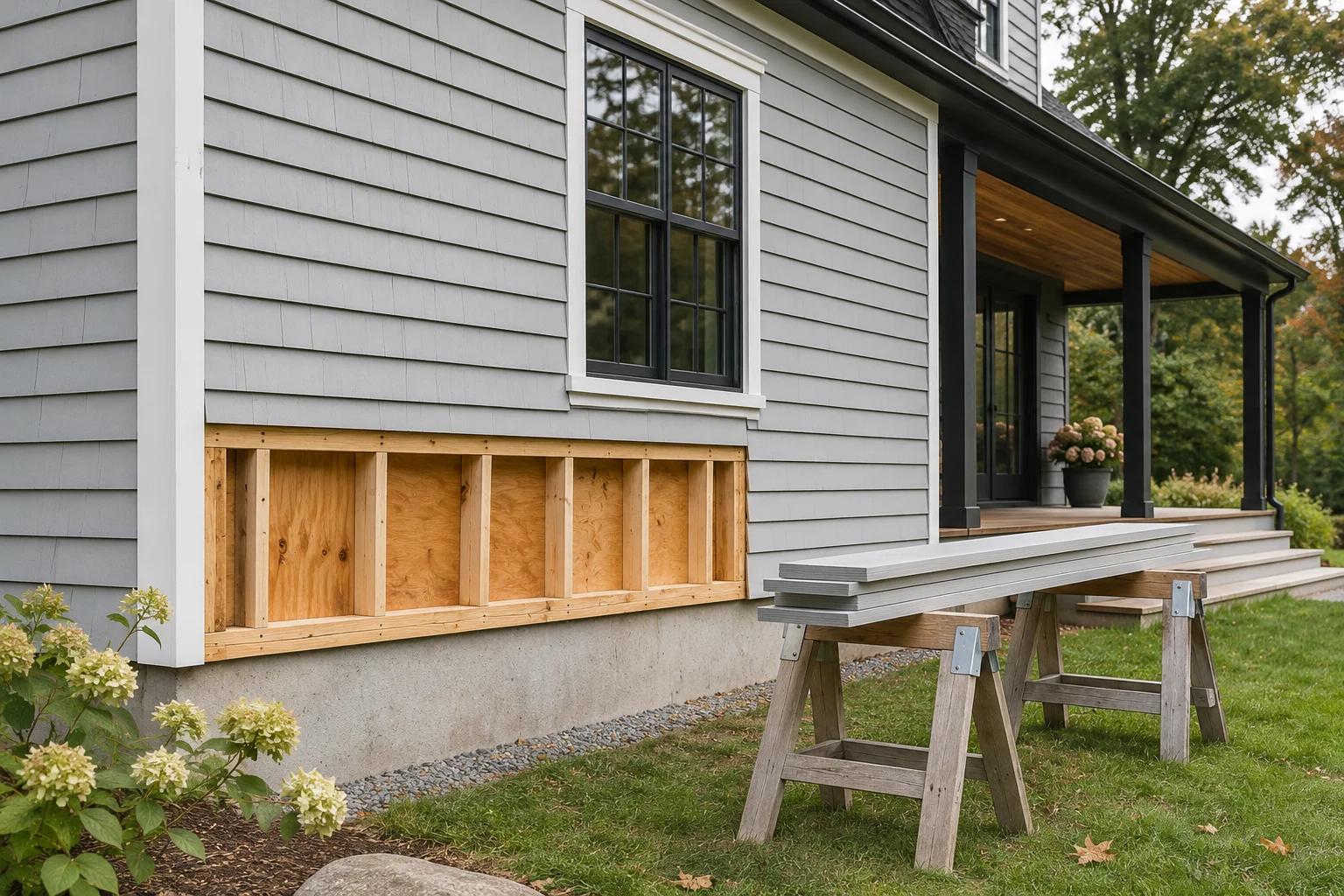
The starting point
The urge to put a damaged home or business back together is understandable. Reconstruction still needs a clear starting condition. Immediate safety, stopping ongoing damage, specialist mitigation, and rebuilding are related tasks with different responsibilities. This guide explains the construction planning sequence without diagnosing damage or promising an emergency response service.
Keep these in mind
- Use emergency and specialist services for urgent hazards.
- Confirm the source and readiness before rebuilding.
- Agree a construction scope and its dependencies.
Put safety and ongoing damage first
Stay out of unstable or unsafe areas and contact emergency services or the relevant utility when there is immediate danger. Document only from a safe location. Ask your insurer about loss-mitigation and documentation requirements, and contact appropriate specialists for urgent work outside a construction repair package.
Water extraction, drying, mold remediation, and hazardous-material handling are not the same as replacing framing or finishes. Confirm who is responsible for those tasks. A surface that looks dry does not establish that concealed assemblies are ready to close.
Establish readiness for the repair
Identify what has been inspected, what materials have been removed, and what conditions remain unresolved. The project may need input from a design professional, mitigation specialist, or other qualified party before reconstruction is defined. Ask what readiness documentation applies to the actual building and work.
Resolve the source of ongoing water entry or damage before replacing affected construction. Discuss retained materials and the connection to new work. If further opening is needed, the estimate should state the assumptions and how additional findings will be addressed.
Agree the reconstruction package
A repair scope should identify the building areas, materials, connections, protection, and required trade coordination. Confirm approvals, inspections, access, and who handles specialist systems. Occupancy and temporary use need discussion if part of the property will remain in service.
A Frame can discuss construction and framing repairs within its offered services once the damage and preparation are understood. Provide your location, safe photos, available findings, and work already performed. Availability and a projected schedule are confirmed for the particular scope; neither immediate response nor insurance coverage is implied.
A common question
Can reconstruction start as soon as visible water is gone?
Not necessarily. The source, concealed conditions, drying or specialist work, and required assessments may still need resolution. Confirm the building’s readiness with the appropriate professionals before closing assemblies.